Our Location
304 North Cardinal St.
Dorchester Center, MA 02124

304 North Cardinal St.
Dorchester Center, MA 02124
A simple guide Shabbat, when it begins, and how it’s celebrated at home through meaningful traditions like candle lighting, meals, and rest.
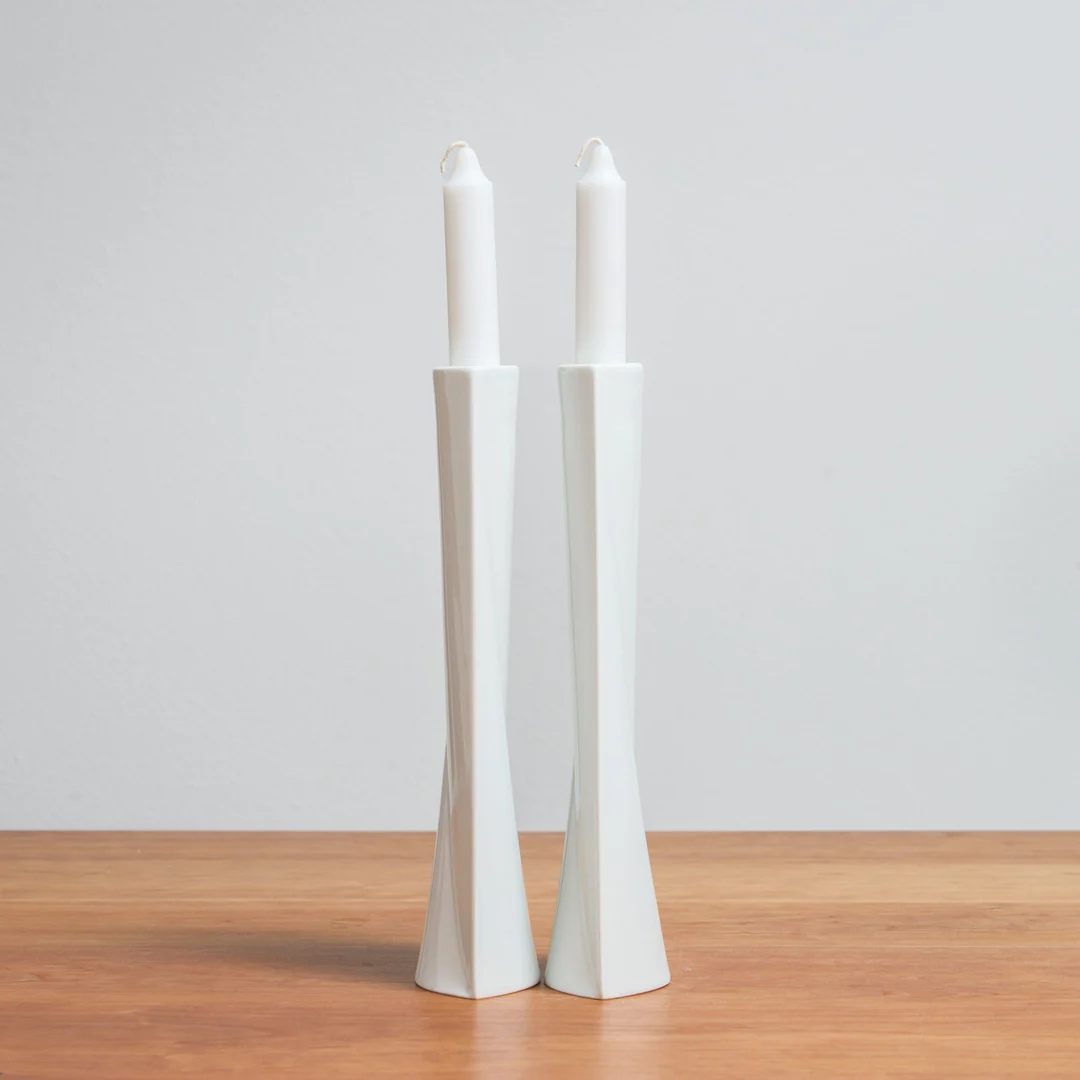
For many Jewish homes, the most meaningful moment of the week arrives quietly.Just before sunset on Friday evening, candles are lit. Phones are set aside. A table is gathered around. The pace of a busy week begins to slow.
Just before sunset on Friday evening, candles are lit. Phones are set aside. A table is gathered around. The pace of a busy week begins to slow.
Observed for thousands of years, Shabbat is both a ritual and a rhythm. It’s a weekly pause built into Jewish life, one that makes space for rest, reflection, and time together.
Shabbat (also called the Sabbath) is the Jewish day of rest, observed weekly starting Friday night and ending Saturday evening.
It originates in the bible story of creation, where the seventh day is set aside as a time of rest.
But in everyday life, it is not only about religious practice, it is also a lived experience:
Time with family and friends.
A shared, intentional meal.
A sense of calm and a pause in the pace of the week.
The exact time changes throughout the year depending on the season and location, but generally begins just before sunset Friday evening and ends after nightfall on Saturday.
In most homes:
➡ Read next: How to Light Shabbat Candles
➡ Coming soon: How to Do Havdalah
While Shabbat is observed in many different ways, the most familiar traditions happen at home.
Lighting candles is one of the most widely practiced Shabbat traditions. The act is simple, but it creates a clear transition from the weekday and a moment to pause before the evening begins.
A pair of candle holders placed on a dining table or console can become a permanent part of your home, and something you return to week after week.
Look for pieces that feel intentional in your space: brushed metal, hand-thrown ceramic, or clean glass forms that reflect soft light.
→ Shop modern Shabbat candle holders
→ Minimal taper candles for a softer glow
➡ Explore: Jewish Home Essentials
The Shabbat dinner is often the center of the evening.
A traditional table might include:
These objects don’t need to feel overly formal or ornate to be meaningful. A simple, well-made Kiddush cup can feel just as special as more traditional designs.A wooden or marble challah board, paired with a linen cover, brings a quiet sense of occasion to the table.
→ Modern Kiddush cups with clean lines
→ Challah boards in wood and marble
→ Linen challah covers
For many, this becomes a weekly ritual of gathering that is less about perfection and more about presence.
➡ Read next: Hosting Your First Shabbat Dinner
Shabbat is traditionally a day of rest, but what that looks like varies.
It might include:
Even small shifts like putting away devices can help create a sense of separation from the rest of the week.
In our American culture that rarely slows down, Shabbat offers something simple but meaningful: a built-in pause.
For many people reconnecting with Jewish traditions, rather than focusing on strict rules, start with something smaller and more simple: lighting candles, sharing a family meal together, or just setting aside time.
These small acts can gradually create a rhythm that brings structure, calm, and meaning into the week.
Like many Jewish traditions, Shabbat has always been centered in the home.
A few essential objects often carry the ritual:
Used week after week, these items become part of the home’s rhythm.
Today, many people are drawn to modern Judaica that reflect contemporary design while honoring tradition.
Think:
→ Browse modern Judaica for the home
→ Understated pieces for a Shabbat table
➡ Explore: Modern Shabbat Table Ideas
If you’re new to all of this, the best way to begin is simply.
Start with one ritual.
Light candles on Friday evening.
Sit down for a meal.
Create a moment that feels different from the rest of the week.
If it helps, begin with a few foundational pieces like candle holders and a Kiddush cup that can anchor the experience.
It doesn’t need to be perfect to be meaningful.
Over time, it becomes something you return to and a rhythm that shapes both your home and your week.
At its core, Shabbat is about making space.
Space to rest.
Space to gather.
Space to be present.
In many homes, that space begins with the simple act of lighting candles at the start of the weekend.
And from there, it becomes part of how Jewish life is lived week after week.
It comes from the Hebrew word for “rest” or “cease,” referring to a weekly day of rest in Judaism.
Begins at sunset on Friday and ends after nightfall on Saturday.
Common traditions include lighting candles, sharing a meal with wine and challah, and taking time to rest.
No. Many people observe the Sabbath in a cultural or personal way, focusing on rest, family, and creating meaningful time at home.
